


Selling a home in Phoenix can be both exciting and overwhelming. With the city’s ever-evolving real estate market, desert climate, and a bustling population, homeowners need to stay informed about local nuances. Whether you’ve outgrown your space, need to relocate, or simply want to tap into Phoenix’s seller-friendly market, this guide will walk you through every step of selling your property successfully in 2025.
In the following sections, we’ll explore how to determine the perfect listing price, prepare your home for the Phoenix market, run successful marketing campaigns, and navigate negotiations and closing. We’ll also look at common pitfalls to avoid—so you can position yourself for a smooth, profitable sale. Let’s dive in!
1. Understanding Phoenix Market Trends
The first step in selling your home is understanding the current state of the Phoenix real estate market. In 2025, Phoenix continues to be a hot spot for buyers seeking warmer weather, job opportunities, and the city’s unique blend of suburban comfort and urban amenities.
What’s Driving Phoenix Real Estate in 2025
- Population Growth: As more people move here for jobs in tech, healthcare, and hospitality, housing demand remains strong.
- Neighborhood Popularity: Areas like Arcadia, Central Phoenix, and North Scottsdale often see higher-than-average appreciation. Emerging West Valley neighborhoods like Goodyear and Avondale also offer excellent opportunities.
- Seasonal Factors: The market typically sees an uptick in activity during spring and early summer, though the intense heat of midsummer and the June–September monsoon season can impact showings.
2. Determining an Accurate Listing Price
A well-priced property not only attracts more interested buyers but also leads to quicker offers. Overpricing can turn buyers away, while underpricing leaves money on the table.
Researching Comparable Sales (Comps)
- Square Footage: Compare your home to similarly sized properties in your neighborhood.
- Property Features: Pools, updated kitchens, and proximity to popular Phoenix amenities all factor into pricing.
- Time on Market: Recent fast-selling properties can give you a sense of current demand and pricing thresholds.
Considering Market Conditions
Monitor local economic indicators, such as job growth and new development, which may influence home values. Working with a knowledgeable local agent can help you interpret these trends and set a price that appeals to Phoenix buyers.
3. Preparing Your Home for Sale

Making sure your property is show-ready can greatly impact a buyer’s perception. In Phoenix, this includes attention to both indoor and outdoor spaces.
Curb Appeal in a Desert Climate
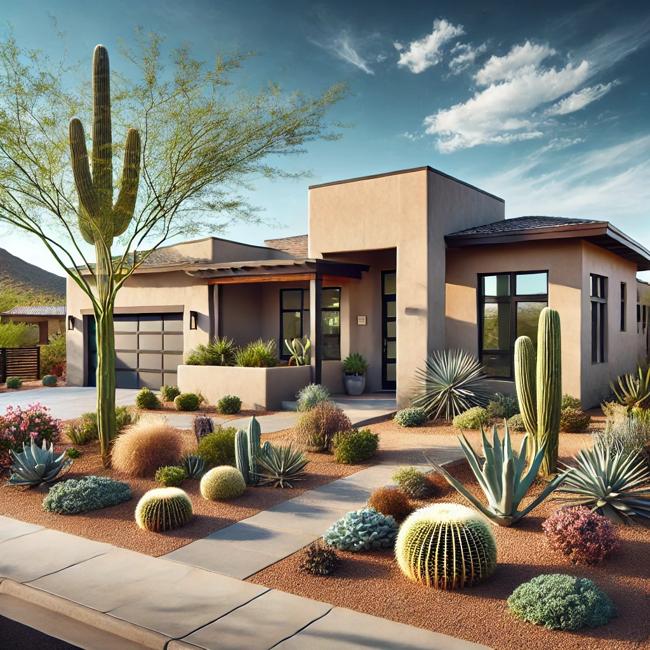
Xeriscaping—using drought-resistant plants like cacti and succulents—keeps water bills low and enhances your home’s first impression. Power-wash driveways and walkways, and ensure all outdoor areas are tidy.
- Tip: Use desert-friendly rock or mulch to help plants retain moisture and maintain a neat look.
Essential Repairs and Upgrades
Buyers want reassurance that major systems (HVAC, roof) are in good shape. Address any leaks or worn shingles before the monsoons. Indoors, consider simple updates like neutral paint or upgraded appliances.
Staging for the Phoenix Lifestyle
Emphasize comfort and energy efficiency—ceiling fans, high-efficiency AC units, and shaded patios. Outdoor seating areas with soft lighting can also highlight how enjoyable Phoenix evenings can be.
4. Marketing and Listing Strategies
Once your home is ready, it’s time to showcase it. Combine online and offline tactics to reach a wide pool of buyers.
Online Listings
- High-Quality Photos: Professional pictures help your listing stand out, especially in a crowded market.
- Virtual Tours: With Phoenix’s size, many buyers appreciate viewing the property virtually before scheduling a visit.
- Local Keywords: “Phoenix home,” “desert landscaping,” and neighborhood mentions can boost visibility in search results.
Open Houses and Scheduling Showings
Plan around Phoenix’s climate. Early morning or late afternoon showings can help avoid peak heat. During monsoon season, stay alert to potential storms that could disrupt showing schedules.
Dealing with Peak Selling Seasons
Spring (March–May) typically brings a surge of activity. Listing during this window can attract multiple offers, but properties listed well with compelling prices can sell year-round in Phoenix.
5. Navigating Offers and Negotiation
Once offers start coming in, examine price, contingencies, and other terms to select the best fit for your situation.
Evaluating Multiple Offers
- Financing: Cash offers and strong financing can close faster.
- Contingencies: Inspection, appraisal, or extended closing timelines might affect your decision.
Counteroffers and Tactics
If an offer is too low, propose a fair counter. Many Phoenix sellers use competitive conditions to their advantage, but remain reasonable to keep buyers engaged.
6. The Closing Process in Phoenix
Arizona law requires certain disclosures and typically involves a title company or escrow agent to handle documentation and funds.
Local Regulations
- Seller Disclosures: You must share any known material defects, including HVAC or roof issues.
- HOA Communities: Provide all relevant HOA documents if your home is subject to association rules.
Escrow and Potential Costs
During escrow, the title company holds funds and documents. Sellers often cover title insurance, prorated property taxes, and agent commissions (commonly 5–6%, split between both agents).
7. Common Mistakes to Avoid
Even in a seller’s market, certain oversights can stall or reduce the success of your sale.
Overpricing Your Home
A steep price can lead to lengthy market times, discouraging buyers who might suspect something is wrong with the property.
Ignoring the Monsoon Season
Monsoon storms can cause unexpected damage, particularly to roofs and landscaping. Prepare and repair beforehand to avoid last-minute surprises.
Neglecting Curb Appeal
Desert landscaping doesn’t mean boring. Simple touches like potted succulents and a fresh coat of paint on the front door can attract more foot traffic.
Conclusion
Selling your Phoenix home in 2025 provides a chance to leverage a thriving market, powered by steady population growth and economic opportunities. By pricing your home correctly, preparing it for the desert climate, marketing effectively, and handling the closing details responsibly, you can achieve a smooth and profitable transaction.
Negotiating offers, understanding local regulations, and steering clear of common mistakes are essential steps on the path to a successful sale. With the right strategy and guidance, you’ll maximize your home’s appeal and final selling price in Phoenix’s dynamic real estate landscape.
Home Value Widget: Curious about your property’s current worth? Enter your details below to receive a customized valuation that reflects current neighborhood trends and comparable home sales.
Ready to take the next step? Request a personalized home valuation or schedule a consultation to learn how you can sell quickly and profitably in Phoenix’s 2025 real estate market. Let’s make your home-selling journey a success!
:format(webp):quality(80)/u.realgeeks.media/scottschulte/search_for_homes_in_arizona/Map-Search.jpg)
